
- Offences
- Hits: 1437
Understanding Possession of a Controlled Drug with Intent to Supply
- Offences
- Hits: 1437
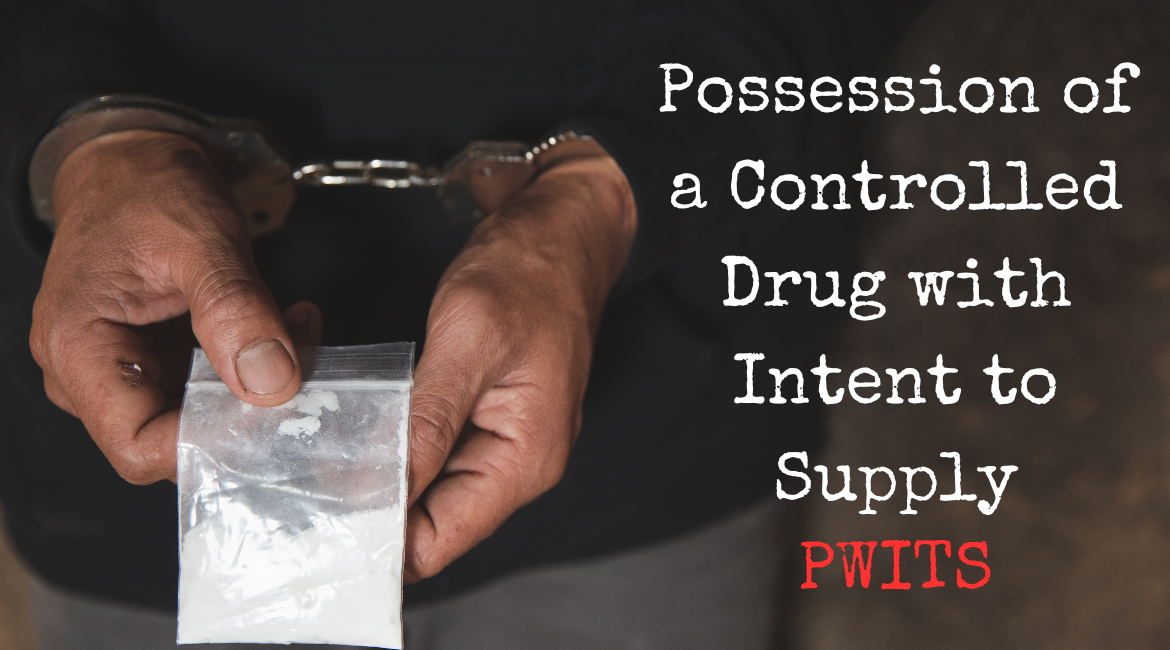
Possession of a controlled drug with the intention to supply it to another is a severe offence under the Misuse of Drugs Act 1971. This article aims to provide clarity on what constitutes a controlled drug, what 'supply' entails, how the Crown Prosecution Service (CPS) decides whether to charge with possession or possession with intent to supply, and the penalties associated with this offence.
What constitutes possession with intent to supply?
Possession with intent to supply (PWITS) occurs when an individual is found with controlled drugs, and there is a belief that these drugs were intended for distribution to others. The intention behind the possession does not necessarily have to involve financial gain; even if the purpose is to share with friends, it could still be classified as PWITS. Police commonly charge individuals with PWITS under the following circumstances:
What is a 'Controlled Drug'?
According to Section 2 of the Misuse of Drugs Act 1971, a 'controlled drug' refers to any substance or product specified in Schedule 2 of the Act. These substances are categorised based on their potential for harm and abuse.
The severity of the offence is influenced by the classification of the drug involved in possession, supply, or production.
Class A drugs, such as ecstasy, cocaine, LSD, heroin, crystal meth, and magic mushrooms, are considered the most harmful by the government and are therefore placed in the highest bracket. Offences involving Class A drugs carry severe penalties, including a maximum sentence of life imprisonment.
Class B drugs, which include ketamine, codeine, spice, and cannabis, fall into a medium-risk category. While still posing significant risks, offences involving Class B drugs result in lesser penalties compared to Class A drugs, with a maximum sentence of 14 years of custody and/or an unlimited fine.
Class C drugs, comprising minor tranquillisers, anabolic steroids, khat, and GHB, are considered the least harmful by the government and are categorised accordingly. Offences involving Class C drugs carry lower penalties, with a maximum sentence of 14 years' custody, an unlimited fine and an offence range of Band A – 8 years' custody.
Cannabis and Khat Possession
If you're found in possession of cannabis or khat, there are specific guidelines in place. For instance, if it's your first time being caught with a small amount of cannabis, you're likely to receive a warning. On the second offence, a fine, which was previously £80 but has been increased to £90, is typically issued, with the condition that it's paid within 21 days to avoid a criminal record. However, if caught for a third time, you may face arrest and be taken to the police station. Similarly, for khat possession, the police have the authority to issue an immediate fine of £60 or a warning for the first two offences. Subsequent offences may lead to arrest.
What is 'Supply'?
The act of 'supply' is broadly defined as providing controlled drugs to others, whether through selling, distributing, or sharing. The law considers various forms of supply, including distribution on a commercial scale, sharing drugs with others, and offering drugs to individuals for their own use.
How Does the CPS Decide Whether to Charge with Possession or Possession with Intent to Supply?
The decision to charge an individual with possession or possession with intent to supply depends on several factors. The CPS evaluates the quantity of drugs involved, the offender's role in the distribution process, and any evidence indicating an intention to supply drugs to others. Factors such as the defendant's awareness of the nature of the substance and their control over it play a crucial role in this determination.
What Are the Penalties for Possession with Intent to Supply?
The penalties for possession of a controlled drug with intent to supply vary depending on the class of the drug and the offender's role in the supply chain. Offenders can face substantial custodial sentences ranging from high-level community orders to life imprisonment, particularly for Class A drugs like heroin and cocaine. When determining the appropriate sentence, the court considers the offender's culpability and the harm caused by their actions.
In sentencing, the court assesses the offender's role in the supply chain, the quantity of drugs involved, and any aggravating or mitigating factors. It's crucial to note that disparities in sentencing outcomes exist, with specific demographic groups facing disproportionate outcomes. Sentencers must apply the guidelines fairly and consider any relevant guidance on equal treatment.
Possession of a controlled drug with intent to supply it to another is a serious criminal offence. Understanding the legal definitions of controlled drugs and supply, as well as the factors considered in charging and sentencing, is essential for individuals involved in drug-related offences. Individuals in West London, Hertfordshire, Berkshire, and Buckinghamshire can rely on DSCC Direct for accurate legal advice and representation in cases involving drug offences.
Contact DSCC Direct on 07553 863 053 for free advice and representation from experienced police station representatives.
By providing clarity on the legal aspects of possession with intent to supply, individuals can make informed decisions and seek appropriate legal support when facing drug-related charges.
What constitutes possession with intent to supply?
Possession with intent to supply (PWITS) occurs when an individual is found with controlled drugs, and there is a belief that these drugs were intended for distribution to others. The intention behind the possession does not necessarily have to involve financial gain; even if the purpose is to share with friends, it could still be classified as PWITS. Police commonly charge individuals with PWITS under the following circumstances:
- Witness testimony or CCTV indicates an intent to supply.
- The quantity of drugs is substantial, making it unlikely for personal use, thereby excluding it from being categorised as simple drug possession.
- The quality of the drug is high, suggesting it will likely be degraded or cut for distribution.
- Possession of a diverse range of drugs.
- Discovery of drug-related equipment such as scales, cutting agents, or packaging materials.
What is a 'Controlled Drug'?
According to Section 2 of the Misuse of Drugs Act 1971, a 'controlled drug' refers to any substance or product specified in Schedule 2 of the Act. These substances are categorised based on their potential for harm and abuse.
The severity of the offence is influenced by the classification of the drug involved in possession, supply, or production.
Class A drugs, such as ecstasy, cocaine, LSD, heroin, crystal meth, and magic mushrooms, are considered the most harmful by the government and are therefore placed in the highest bracket. Offences involving Class A drugs carry severe penalties, including a maximum sentence of life imprisonment.
Class B drugs, which include ketamine, codeine, spice, and cannabis, fall into a medium-risk category. While still posing significant risks, offences involving Class B drugs result in lesser penalties compared to Class A drugs, with a maximum sentence of 14 years of custody and/or an unlimited fine.
Class C drugs, comprising minor tranquillisers, anabolic steroids, khat, and GHB, are considered the least harmful by the government and are categorised accordingly. Offences involving Class C drugs carry lower penalties, with a maximum sentence of 14 years' custody, an unlimited fine and an offence range of Band A – 8 years' custody.
Cannabis and Khat Possession
If you're found in possession of cannabis or khat, there are specific guidelines in place. For instance, if it's your first time being caught with a small amount of cannabis, you're likely to receive a warning. On the second offence, a fine, which was previously £80 but has been increased to £90, is typically issued, with the condition that it's paid within 21 days to avoid a criminal record. However, if caught for a third time, you may face arrest and be taken to the police station. Similarly, for khat possession, the police have the authority to issue an immediate fine of £60 or a warning for the first two offences. Subsequent offences may lead to arrest.
What is 'Supply'?
The act of 'supply' is broadly defined as providing controlled drugs to others, whether through selling, distributing, or sharing. The law considers various forms of supply, including distribution on a commercial scale, sharing drugs with others, and offering drugs to individuals for their own use.
How Does the CPS Decide Whether to Charge with Possession or Possession with Intent to Supply?
The decision to charge an individual with possession or possession with intent to supply depends on several factors. The CPS evaluates the quantity of drugs involved, the offender's role in the distribution process, and any evidence indicating an intention to supply drugs to others. Factors such as the defendant's awareness of the nature of the substance and their control over it play a crucial role in this determination.
What Are the Penalties for Possession with Intent to Supply?
The penalties for possession of a controlled drug with intent to supply vary depending on the class of the drug and the offender's role in the supply chain. Offenders can face substantial custodial sentences ranging from high-level community orders to life imprisonment, particularly for Class A drugs like heroin and cocaine. When determining the appropriate sentence, the court considers the offender's culpability and the harm caused by their actions.
In sentencing, the court assesses the offender's role in the supply chain, the quantity of drugs involved, and any aggravating or mitigating factors. It's crucial to note that disparities in sentencing outcomes exist, with specific demographic groups facing disproportionate outcomes. Sentencers must apply the guidelines fairly and consider any relevant guidance on equal treatment.
Possession of a controlled drug with intent to supply it to another is a serious criminal offence. Understanding the legal definitions of controlled drugs and supply, as well as the factors considered in charging and sentencing, is essential for individuals involved in drug-related offences. Individuals in West London, Hertfordshire, Berkshire, and Buckinghamshire can rely on DSCC Direct for accurate legal advice and representation in cases involving drug offences.
Contact DSCC Direct on 07553 863 053 for free advice and representation from experienced police station representatives.
By providing clarity on the legal aspects of possession with intent to supply, individuals can make informed decisions and seek appropriate legal support when facing drug-related charges.