
- At the Police Station
- Hits: 1120
Unveiling the Mystery Behind The Police Caution: Understanding its Implications
- At the Police Station
- Hits: 1120
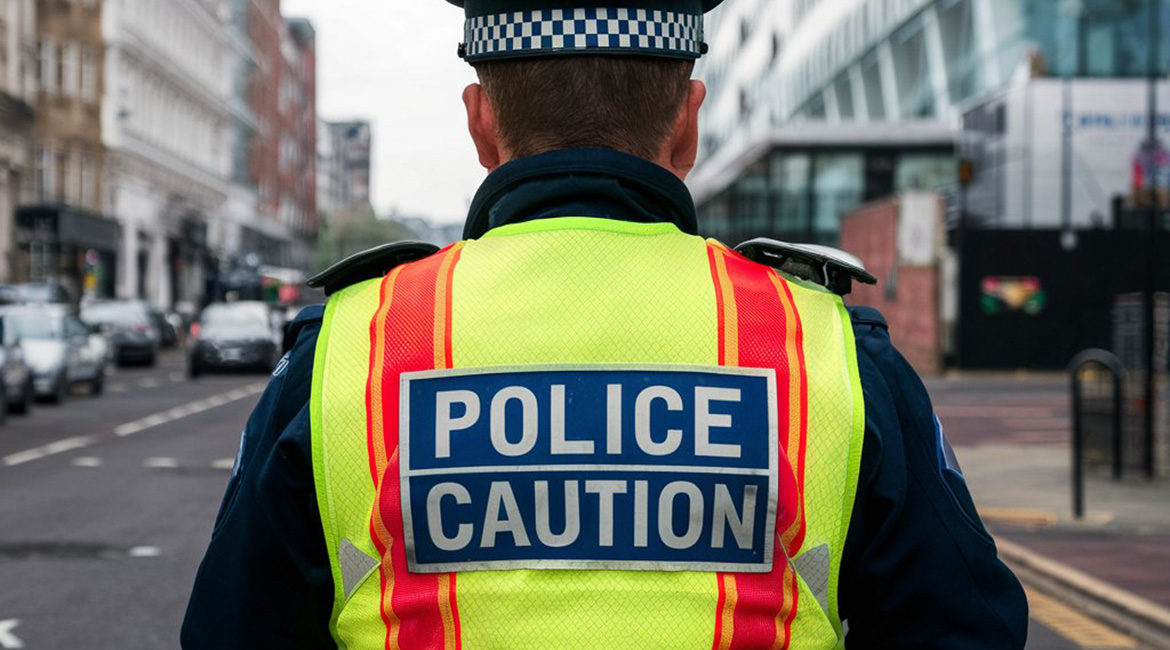
In England and Wales, police caution is a crucial component of the criminal justice system, often delivered verbally to suspects upon arrest or during police interviews. This caution acts as a formal advisory, outlining the suspect's legal rights and the potential repercussions of their actions. Here, we delve into the depths of police caution, exploring its significance within criminal law and its implications for individuals entangled within its web.
The Role of Cautions in the Criminal Justice System
Cautions, also called 'out of court disposals,' offer a means of resolving minor offences without resorting to formal prosecution in court. These cautions are typically extended to individuals aged 10 or older for relatively minor transgressions, such as vandalism or petty theft, aiming to address these infractions outside the traditional courtroom setting. The genesis of this practice can be traced back to the Criminal Justice and Public Order Act 1994, which instigated a paradigm shift in suspects' rights to silence during police interrogations, necessitating the formulation of a new police caution. Accepting a caution implies forfeiting the opportunity to defend yourself in court.
Understanding the Police Caution: A Closer Look
A police caution is a formal alternative to prosecution, predominantly applicable to minor infractions where the suspect admits guilt and refrains from presenting a defence. Specific criteria must be met for a caution to be offered: the individual must acknowledge their offence, abstain from providing a defence, and consent to the caution. This pivotal step in the criminal justice process is a crucial crossroads, allowing individuals to forgo traditional prosecution in favour of a cautionary warning.
The Two Faces of Police Cautions: Simple vs. Conditional
There are two distinct variations of police cautions: the simple caution and the conditional caution. The former constitutes a formal warning typically bestowed upon individuals aged 18 or older who readily admit to transgressions. Conversely, the latter entails a more nuanced approach, compelling offenders to adhere to specified conditions as an alternative to prosecution. These conditions often take the form of rehabilitative measures, reparative actions, or financial penalties, providing individuals with a pathway to redemption outside the confines of the courtroom.
Both simple and conditional cautions entail acknowledging responsibility for the offence. When the police possess substantial evidence to secure a conviction, and the individual confesses to the wrongdoing, they might extend a caution as an alternative resolution. By accepting the caution, the individual effectively acknowledges their guilt in relation to the offence.
Key Points to Know Before Accepting a Police Caution:
Navigating the Ramifications: Impact on Criminal Records
While police cautions offer a reasonable resolution to minor offences, their acceptance has far-reaching implications. Despite not constituting a criminal conviction per se, cautions are permanently etched onto an individual's criminal record and potentially resurface in future legal proceedings. Moreover, their presence can cast a shadow over international travel prospects and feature prominently in criminal background checks, underscoring the gravity of accepting such admonitions.
The Lingering Shadow: Duration and Potential Challenges
Once affixed to an individual's record, police cautions remain indelible for six years. However, this temporal constraint is not absolute, as law enforcement agencies retain the discretion to extend the duration if deemed pertinent to the individual's occupational pursuits. In cases where individuals seek to challenge the imposition of caution, avenues for recourse exist, albeit through convoluted channels such as judicial review or formal complaints to law enforcement authorities.
Securing Your Defence: The Role of Police Station Representatives
Given the weighty implications associated with police cautions, securing competent legal representation becomes paramount. Police station representatives offer invaluable guidance and advocacy, ensuring that individuals facing police interviews have the requisite knowledge and support to navigate these treacherous waters. Importantly, legal advice is freely available to all individuals slated for police interviews, underscoring the accessibility and necessity of professional counsel in such circumstances.
In conclusion, police caution is a pivotal juncture within the criminal justice system's labyrinthine corridors. Its significance transcends mere admonition and bears profound implications for individuals trapped within its grasp. Understanding the nuances of police caution and its repercussions is imperative, underscoring the importance of informed decision-making and competent legal representation in pursuing justice.
At DSCC Direct, our seasoned team of police station representatives stands ready to provide comprehensive assistance, ensuring that individuals facing the spectre of police cautions receive the advocacy and guidance they deserve during these trying times.
FAQ
Can simple and conditional cautions be given to individuals under 18?
No, Simple and conditional cautions are not available for individuals under 18. Instead, they may receive a youth caution or youth conditional caution, which involves the Youth Offending Team.
Can I refuse a caution?
Yes, you have the right to decline a caution. If you refuse, the police will decide whether to proceed with prosecution through the CPS or to release you.
Can I Challenge a Caution Afterwards?
Yes, you can challenge a caution if you believe it was offered incorrectly.
Ways to challenge a caution include:
The Role of Cautions in the Criminal Justice System
Cautions, also called 'out of court disposals,' offer a means of resolving minor offences without resorting to formal prosecution in court. These cautions are typically extended to individuals aged 10 or older for relatively minor transgressions, such as vandalism or petty theft, aiming to address these infractions outside the traditional courtroom setting. The genesis of this practice can be traced back to the Criminal Justice and Public Order Act 1994, which instigated a paradigm shift in suspects' rights to silence during police interrogations, necessitating the formulation of a new police caution. Accepting a caution implies forfeiting the opportunity to defend yourself in court.
Understanding the Police Caution: A Closer Look
A police caution is a formal alternative to prosecution, predominantly applicable to minor infractions where the suspect admits guilt and refrains from presenting a defence. Specific criteria must be met for a caution to be offered: the individual must acknowledge their offence, abstain from providing a defence, and consent to the caution. This pivotal step in the criminal justice process is a crucial crossroads, allowing individuals to forgo traditional prosecution in favour of a cautionary warning.
The Two Faces of Police Cautions: Simple vs. Conditional
There are two distinct variations of police cautions: the simple caution and the conditional caution. The former constitutes a formal warning typically bestowed upon individuals aged 18 or older who readily admit to transgressions. Conversely, the latter entails a more nuanced approach, compelling offenders to adhere to specified conditions as an alternative to prosecution. These conditions often take the form of rehabilitative measures, reparative actions, or financial penalties, providing individuals with a pathway to redemption outside the confines of the courtroom.
Both simple and conditional cautions entail acknowledging responsibility for the offence. When the police possess substantial evidence to secure a conviction, and the individual confesses to the wrongdoing, they might extend a caution as an alternative resolution. By accepting the caution, the individual effectively acknowledges their guilt in relation to the offence.
Key Points to Know Before Accepting a Police Caution:
- You have the right to decline the caution.
- You are entitled to seek legal advice before making a decision.
- Accepting the caution constitutes an admission of guilt.
- The caution will be recorded on your criminal record.
- This record may be referenced in future legal proceedings and police investigations.
- It could affect your employment prospects, especially for roles involving children, vulnerable adults, judicial positions, firearms, and other responsible positions.
- Your ability to travel to certain countries may be restricted.
- Cautions related to specific sexual offences may result in registration on the sex offenders register for two years.
- If new information emerges later, indicating the offence was more severe than initially thought, the CPS can still pursue prosecution.
- Victims retain the right to pursue civil claims or private prosecutions.
- Upon agreeing to accept the caution, you will receive a "simple caution form" outlining its implications and confirming your admission of guilt. This form includes details of the offence and your personal information (e.g., name, address, occupation).
- Signing the form signifies your official acceptance of the caution. You must return the original to the police and retain a copy for your records.
Navigating the Ramifications: Impact on Criminal Records
While police cautions offer a reasonable resolution to minor offences, their acceptance has far-reaching implications. Despite not constituting a criminal conviction per se, cautions are permanently etched onto an individual's criminal record and potentially resurface in future legal proceedings. Moreover, their presence can cast a shadow over international travel prospects and feature prominently in criminal background checks, underscoring the gravity of accepting such admonitions.
The Lingering Shadow: Duration and Potential Challenges
Once affixed to an individual's record, police cautions remain indelible for six years. However, this temporal constraint is not absolute, as law enforcement agencies retain the discretion to extend the duration if deemed pertinent to the individual's occupational pursuits. In cases where individuals seek to challenge the imposition of caution, avenues for recourse exist, albeit through convoluted channels such as judicial review or formal complaints to law enforcement authorities.
Securing Your Defence: The Role of Police Station Representatives
Given the weighty implications associated with police cautions, securing competent legal representation becomes paramount. Police station representatives offer invaluable guidance and advocacy, ensuring that individuals facing police interviews have the requisite knowledge and support to navigate these treacherous waters. Importantly, legal advice is freely available to all individuals slated for police interviews, underscoring the accessibility and necessity of professional counsel in such circumstances.
In conclusion, police caution is a pivotal juncture within the criminal justice system's labyrinthine corridors. Its significance transcends mere admonition and bears profound implications for individuals trapped within its grasp. Understanding the nuances of police caution and its repercussions is imperative, underscoring the importance of informed decision-making and competent legal representation in pursuing justice.
At DSCC Direct, our seasoned team of police station representatives stands ready to provide comprehensive assistance, ensuring that individuals facing the spectre of police cautions receive the advocacy and guidance they deserve during these trying times.
FAQ
Can simple and conditional cautions be given to individuals under 18?
No, Simple and conditional cautions are not available for individuals under 18. Instead, they may receive a youth caution or youth conditional caution, which involves the Youth Offending Team.
Can I refuse a caution?
Yes, you have the right to decline a caution. If you refuse, the police will decide whether to proceed with prosecution through the CPS or to release you.
Can I Challenge a Caution Afterwards?
Yes, you can challenge a caution if you believe it was offered incorrectly.
Ways to challenge a caution include:
- Making a police complaint to the force that issued the caution within 12 months of its issuance.
- Seeking a judicial review from the court within 3 months of the caution's issuance.
- Applying for expungement of the caution from your criminal record through the ACRO Criminal Records Office's Deletion Unit.
- It's advisable to consult with a lawyer specializing in public law or claims against the police if you wish to challenge a caution.
- There are common grounds for caution cancellation, including:
- Denying admission to the crime before the caution was offered.
- Feeling pressured into admitting guilt by the promise of receiving a caution.
- The offence was minor enough that the CPS wouldn't typically prosecute.
- The police failed to thoroughly explain the implications of the caution, which led you to an incomplete understanding of what you consented to.
- The police provided your lawyer with insufficient evidence, resulting in a misunderstanding of the caution's implications.